Fitting The Description™ · The story
August 22, 2014.
One Friday afternoon in Greater Los Angeles, Charles Belk "fit the description." Scroll through what happened, with the real papers.
A walk to the car
Charles had just left a restaurant and was walking to his car to add money to the parking meter, on his way to a pre-Emmy event. He was answering a text message, so he was walking slowly. That text may have saved him: nearby, a bank had just been robbed.
"Sit on the curb."
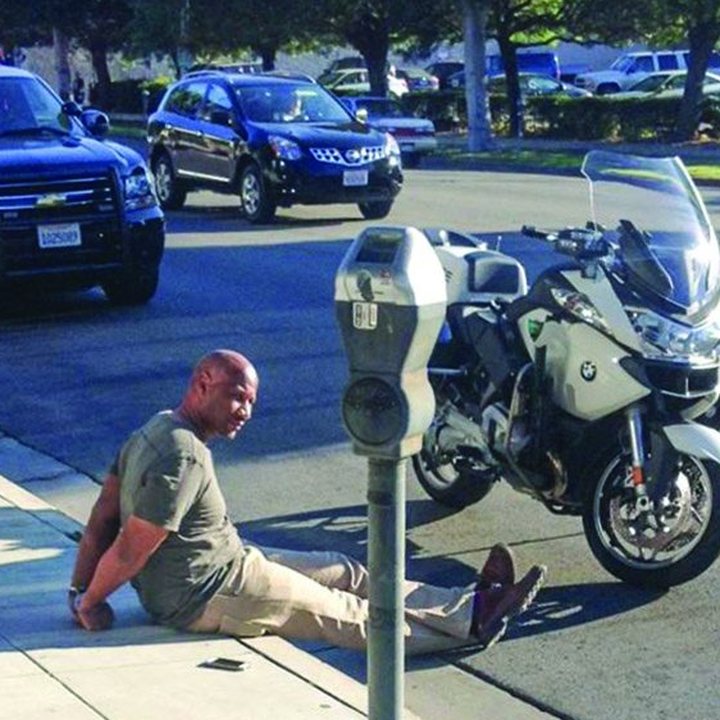
Police stopped him because he fit the description of one of the robbers: a tall, bald, Black man. He was told to sit on the curb of a busy boulevard, in rush-hour traffic.
Six police cars
Six police cars surrounded him. He was handcuffed tightly, searched for weapons and put back on the curb, where he sat for about 45 minutes while a witness was brought by to look at him.
Booked. $100,000 bail.
He was taken to the station, photographed, fingerprinted and accused of armed bank robbery, with bail set at $100,000. He had never been arrested in his 51 years.
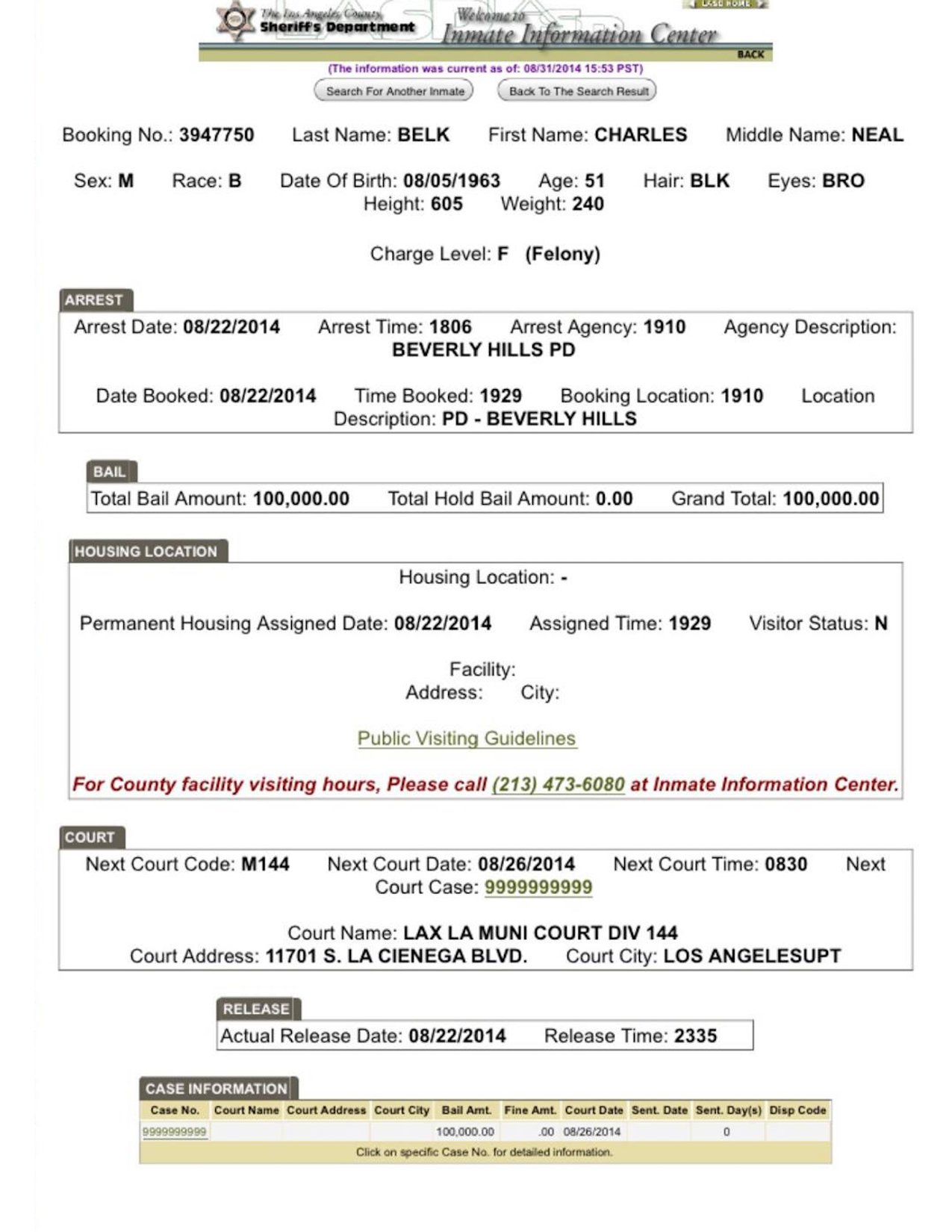
Released. No charges.
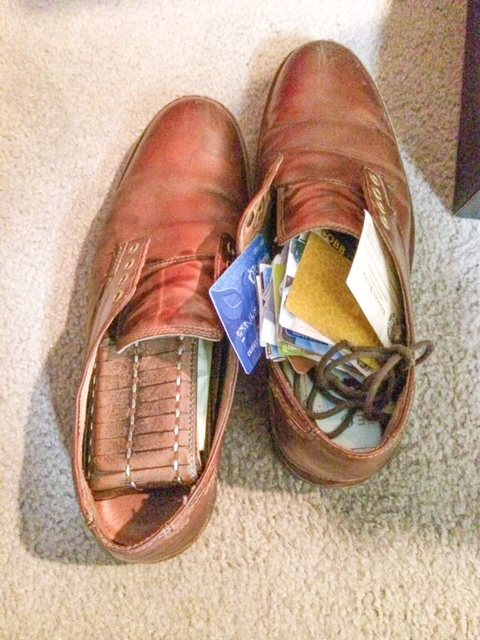
About six hours after he was stopped, he was released without charges. His shoes were handed back with his wallet, cards and keys stuffed inside.
The real robber is charged
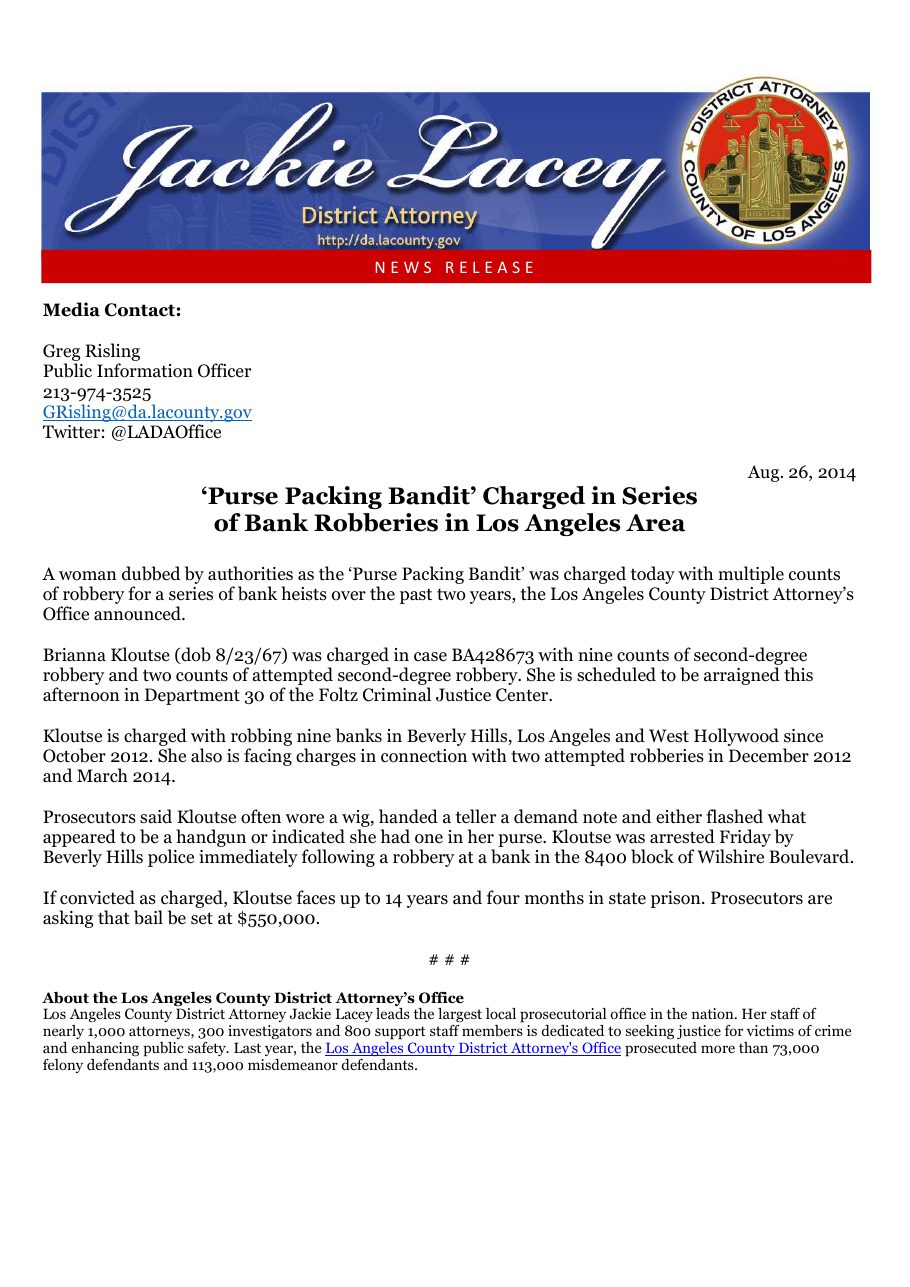
Four days later, the Los Angeles County District Attorney charged the person who actually robbed the bank.
"Deeply regretted"
The department announced an internal review and said it deeply regretted the arrest.
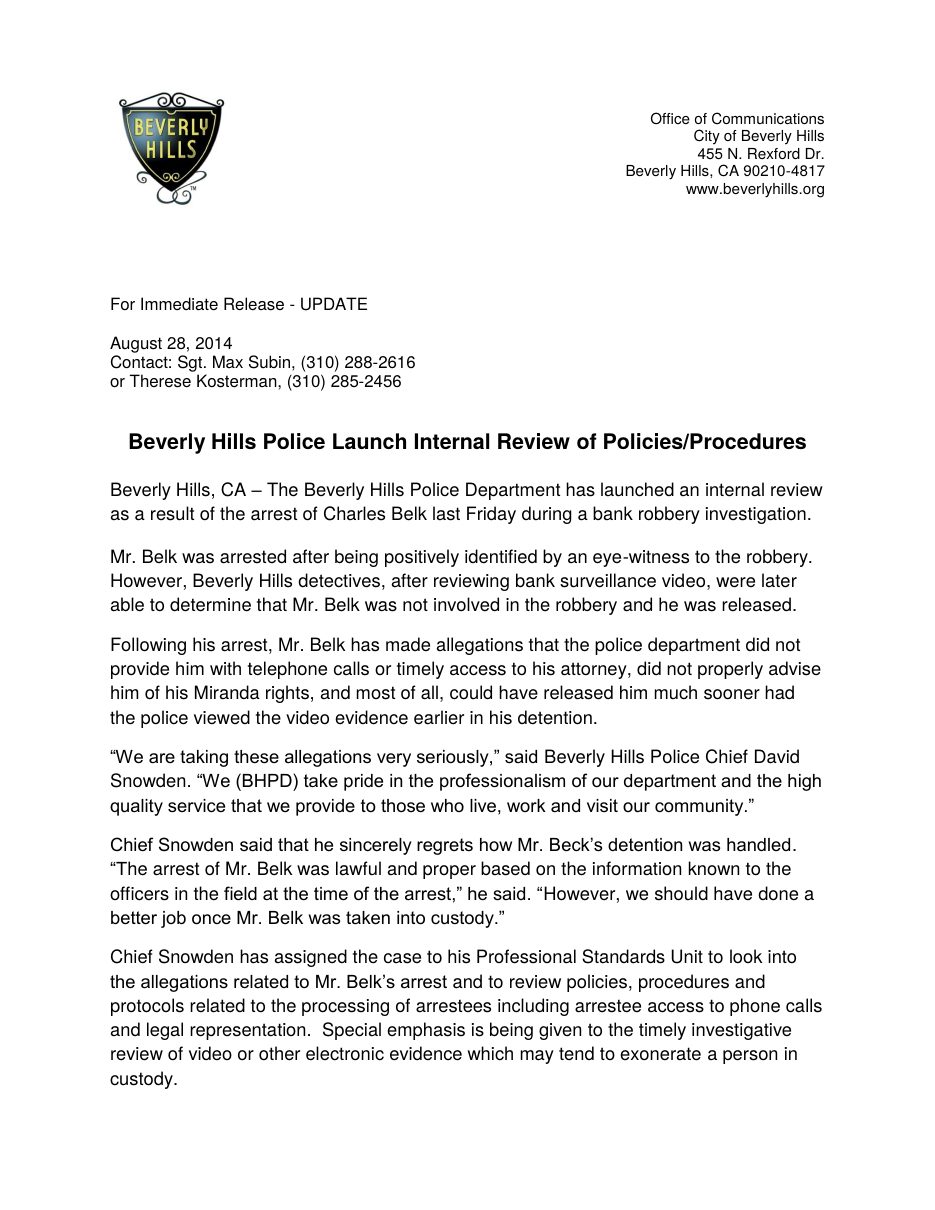
"Breakdowns"
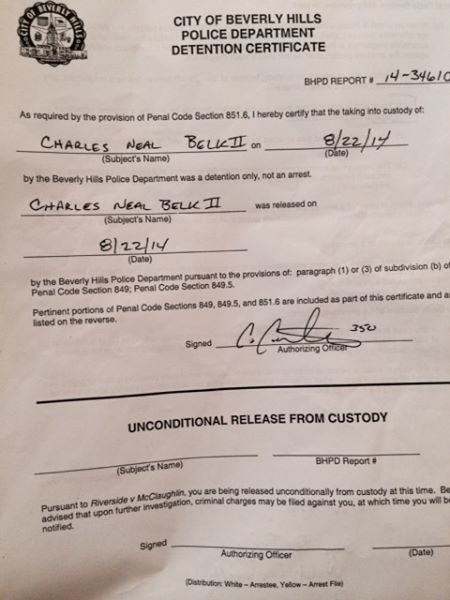
The department's internal review acknowledged breakdowns in how the stop and arrest were handled. It also issued a certificate calling the incident "a detention only, not an arrest."
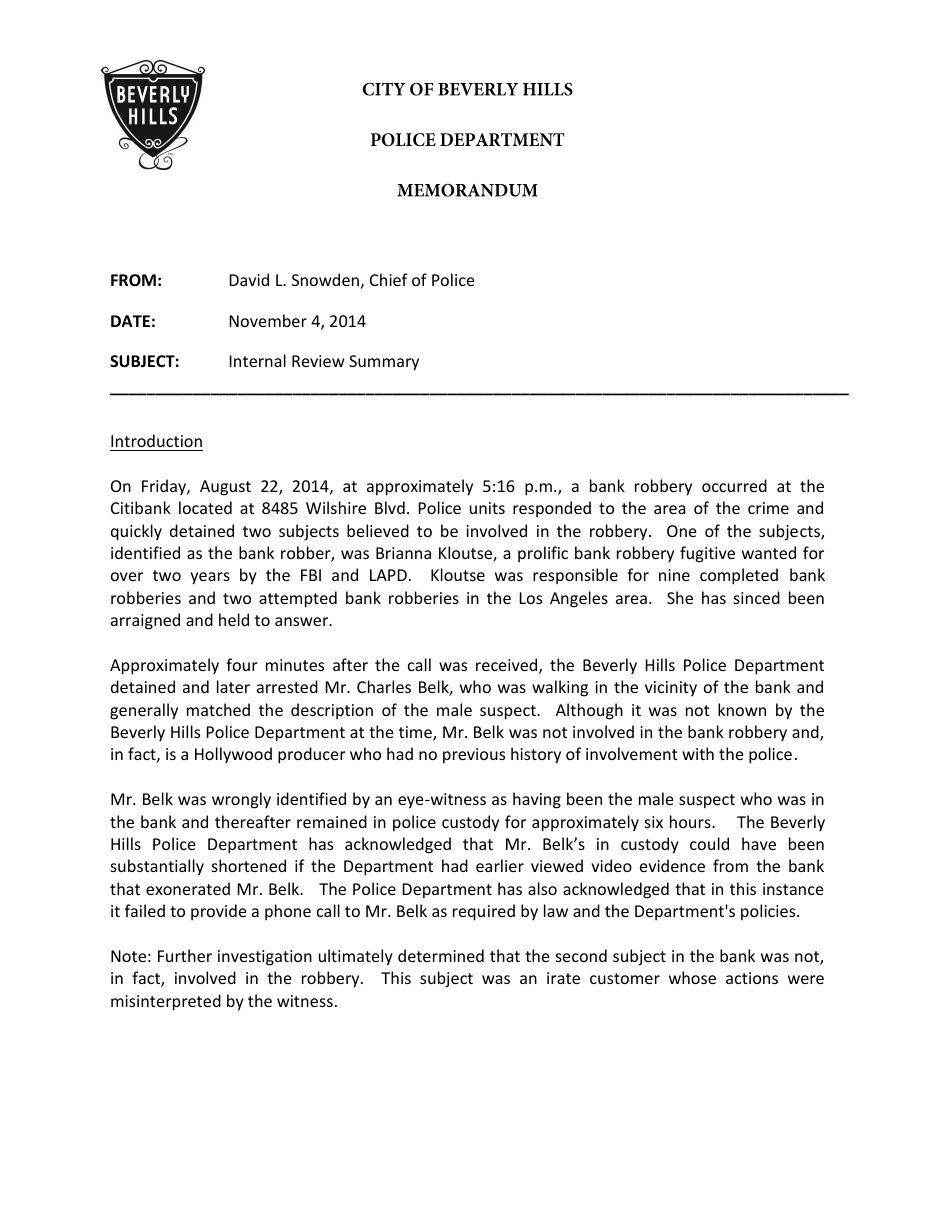
But the record stayed
Being released is not the same as being cleared. An arrest record stays until someone clears it, and the work and the cost fall on the person who did nothing wrong. So Charles started Fitting The Description and the #AutoErase™ campaign. Seven states have passed laws from that work.
Watch: 60 seconds
The story in one minute.